
Everything it takes to move and set your home
Every state has different rules, but the work is the same: prep the site, get the permits, move the home safely, and set it level, anchored, and ready for inspection.
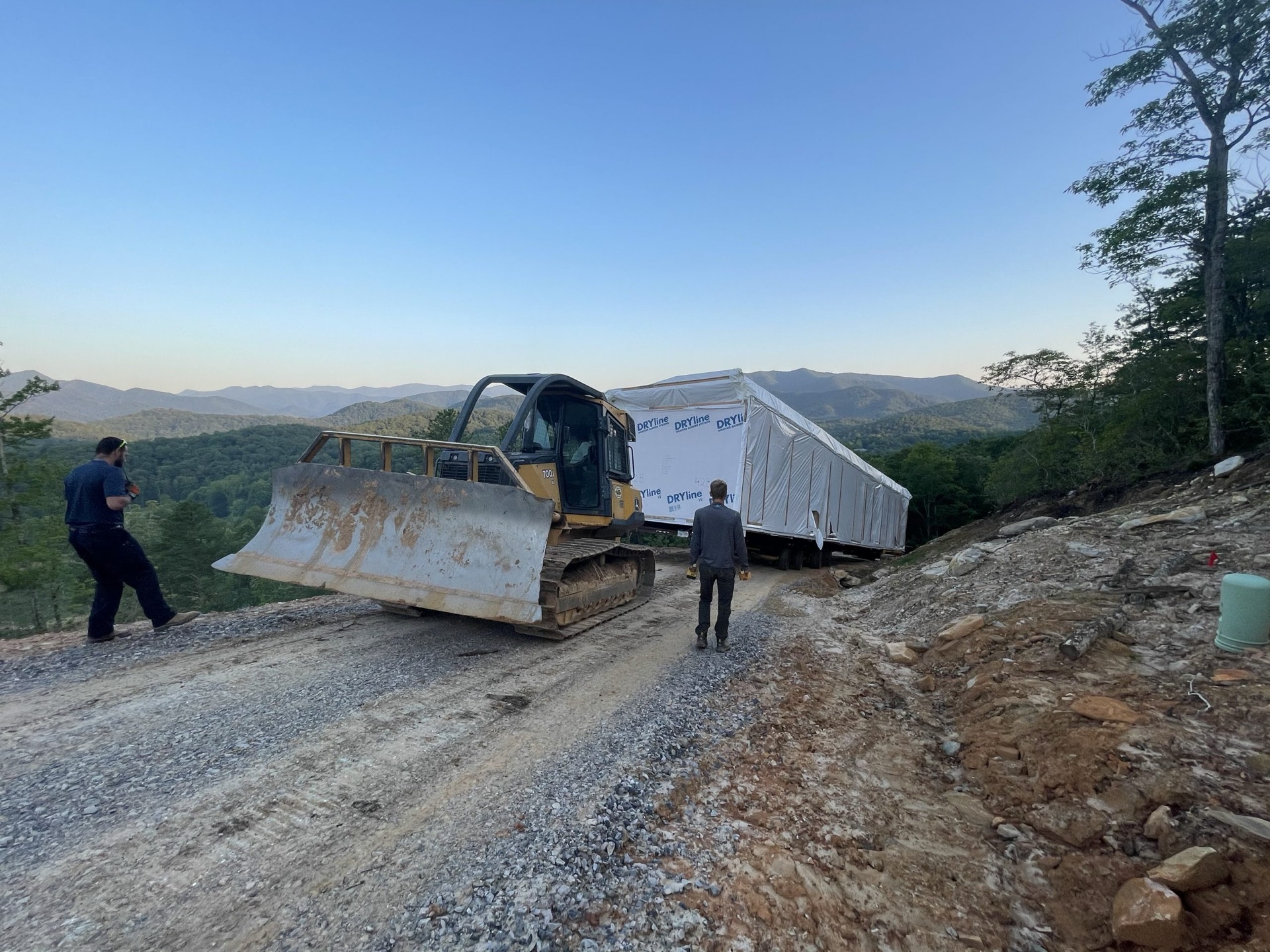
Site Prep & Grade Work
We offer grading services, which are required by code in order to pass inspection. This is absolutely required to be able to get power installed to your home.
Every state has different rules, but they all require positive drainage — water must run away from the home and not sit under it. You also want your site reasonably level, usually no more than a 2-foot slope from any end of the home to another.
We have a knowledgeable, experienced team, so you don't have to hire another contractor and hope they don't mess it up. Most sites require a french drain and possibly extra fill dirt — and fill dirt must always be compacted.
All homes require either dirt or concrete footers. Basic footers can be dug to frostline and set without concrete if allowed; concrete is sometimes required or requested but costs extra. Tennessee also requires that all tree limbs over the top of the home be removed.
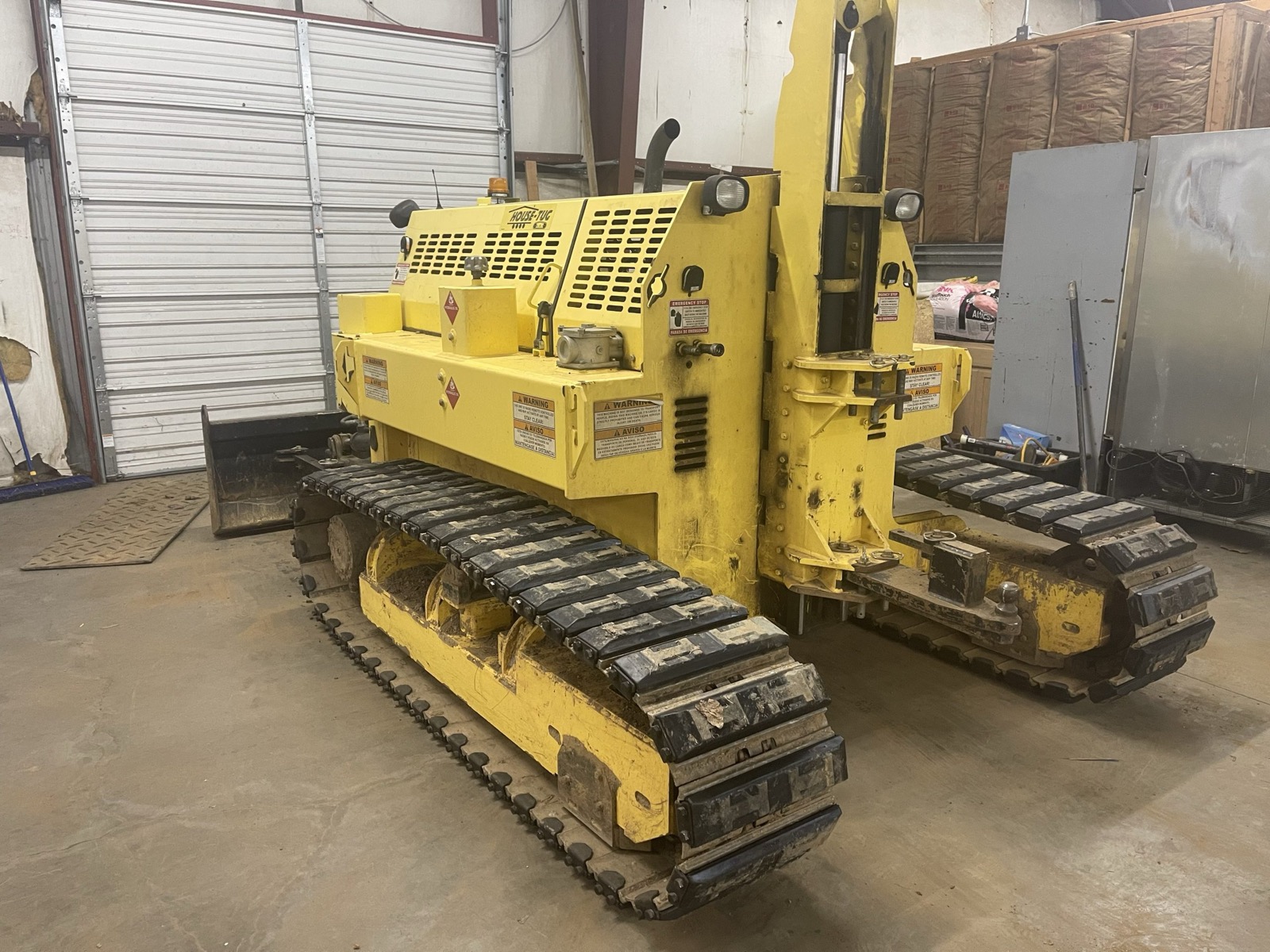
Some of our equipment
Permits
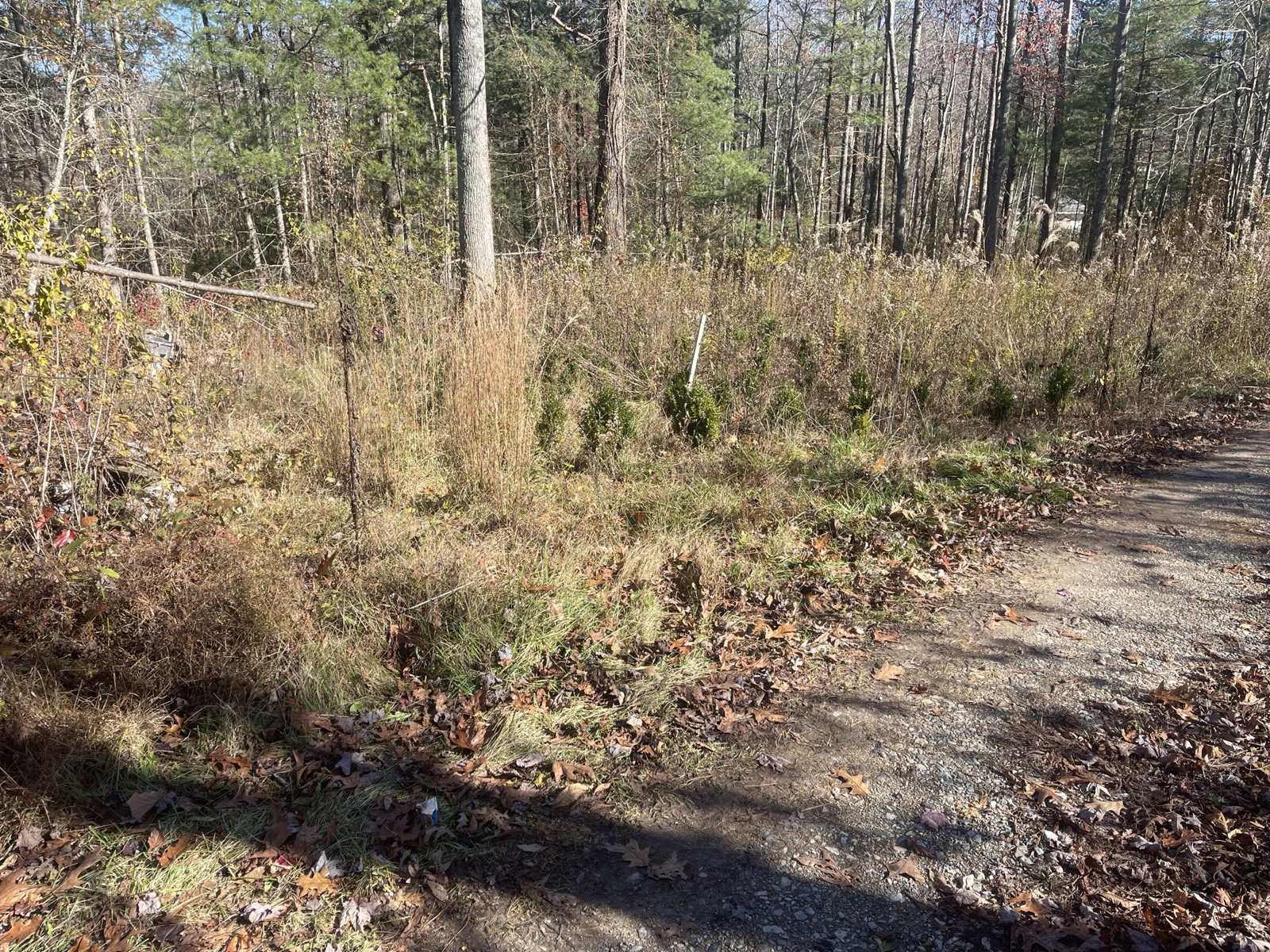
We take care of the moving permits and setup inspections, but you, the homeowner, are required to get a building permit and check with the county about where you're allowed to place the home and whether there are special rules for your lot.
You may need to get the soil tested and have someone probe for septic and well. You must also make sure there are no existing buried lines — if there are, they must be traced so we don't hit them when digging. Note that 811 will only locate up to the edge of the street, not onto the property itself.
Used Home Inspection & Prep
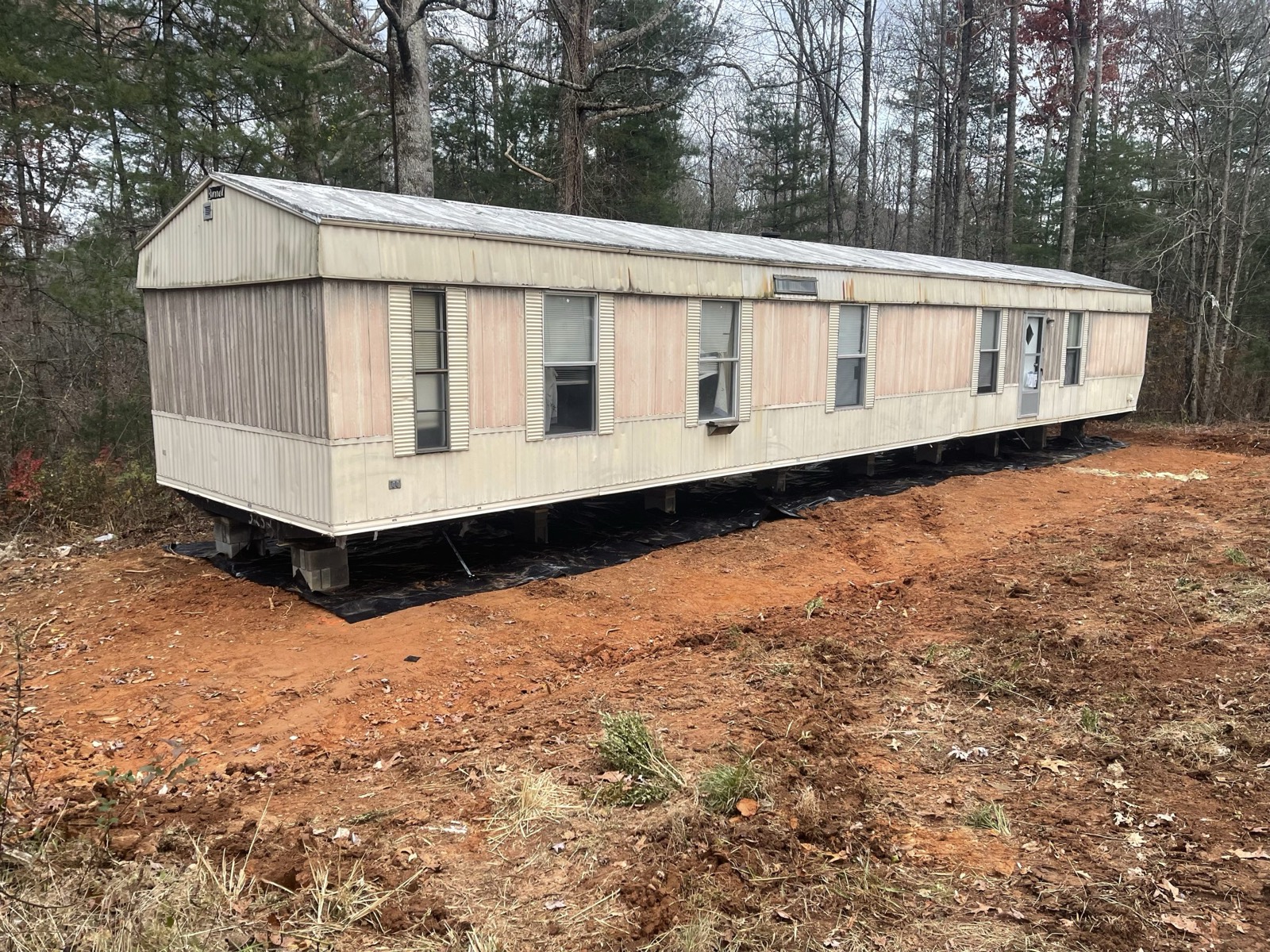
There are some things we look for to determine if a used home is safe and ready for transport:
- No water or structural damage to the home
- The I-beam underneath is not bent or corrugated
- There is a hitch on, or located under, the home
- All utilities and the deck are disconnected, and skirting removed
- Any dirt, trees, or obstacles in the way are removed
- Furniture is removed before transport
Moving the Home
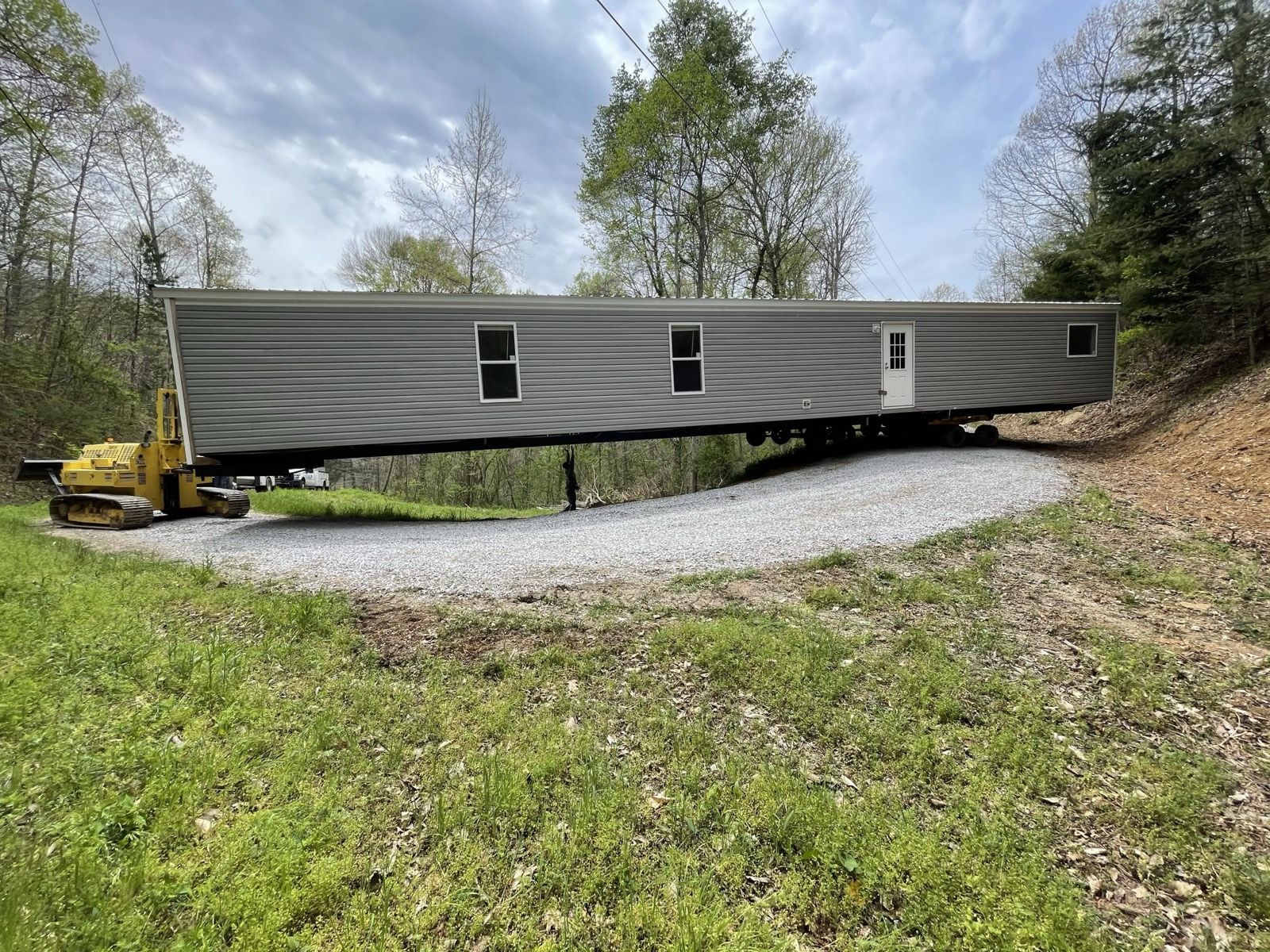
If the home is determined safe for transport, we figure out exactly what equipment, manpower, trucks, and prep work the move requires. Often, tree work has to be done to safely maneuver the home without damage.
We bring the right machine for the job:
Some of our equipment
Setup & Inspection Checklist
The basic move and setup includes setting the house on block, leveling the piers, and anchoring the home. On a double-wide, it is bolted together and the roof dried in — nothing else. Any other work is not included in the basic setup.
Every state has different rules that must be determined individually, but generally you can follow this checklist. You may not be able to move into the home until an inspection has passed, which can take 30 days from the day we send it in.
- 1Dirt sloped away from the home, from the edge out 10 ft with a 5" minimum slope — or a french drain installed instead on the exact edge of the home: 1 ft wide, 18" deep, drain pipe filled with gravel and no dirt on top.
- 2House crowned underneath if level, or sloped to one side smoothly and consistently if on a hill.
- 36 mil ground vapor barrier installed, secured with landscape staples, overlapped at least 1 ft at seams, covering the entire home except a built-in porch area.
- 4Belly board plastic under the home fully intact, or repaired with proper plastic in big areas / tape in small areas.
- 5Block skirting only backfilled where waterproofed and visibly higher than the backfilled area.
- 6Waste line installed with long sweeps and clean-outs down the main line; clean-outs secured and leak-free. Schedule 40 PVC required; ABS converted with green transition glue or rubber boots.
- 7Waste line supported by metal hanger tape and bolts every 4 ft minimum, screwed to floor joist or hung on the metal frame.
- 8Water line with shut-off and water regulator installed, 100% insulated above ground.
- 9Drain lines for A/C and water heater routed to the perimeter of the home.
- 10Dryer vent and furnace vents routed to the perimeter with hood flaps; roof furnace vent installed.
- 11No exposed electrical lines — all electrical lines in electrical conduit.
- 12HVAC crossover pipe hooked up and supported above ground by proper webbing every 4 ft minimum.
- 13Porches not attached to the home — nothing built on or added onto the home.
No other work is required to get the house inspected.
A good starting point
It is impossible to price every move the same — there are too many variables — but here is a good starting point. Final pricing comes after an on-site assessment.
Used Single-Wide
starts at$8,500
Basic move & setup
Used Double-Wide
starts at$18,000
Basic move & setup
Basic packages assume there are no issues, the home is relatively easy to move, and the two sites are close together. They do not include prep or finishing work beyond what is listed.
Things that bring the price up
- Difficult site to get in or out of
- Corrugated frame or damage to the frame or home
- Missing tongue or hitch
- Difficult road to get out of
- Over-height, raised roof, or modular home
- Rocky soil
- Off-level site
- Steep hills
- Narrow roads
- Remodeled home with added weight
Want an exact price for your move?
We'll come out, assess both sites, and give you a real number.